
The Blueprint for Competitive Spaces: Engineering Next-Generation Digital Arenas and Corporate Hubs

Introduction
The competitive gaming landscape in the United States has evolved from a grassroots subculture into a multi-billion-dollar mainstream industry. No longer confined to residential bedrooms or localized LAN gatherings, competitive gaming commands dedicated spatial developments that rival traditional professional sports. Today, institutional investors, enterprise groups, commercial developers, and major educational organizations recognize that success requires specialized, expertly engineered, and physically immersive architecture.
Designing a commercial gaming arena or professional enterprise environment requires deep technological integration, precise spatial dynamics, and strict adherence to ergonomic frameworks. Whether your objective is configuring an elite esports office USA enterprise hub, integrating revenue-generating installations for commercial hospitality, or developing dedicated academic arenas, the physical infrastructure dictates your operational viability. This comprehensive strategic blueprint analyzes the core engineering, layout frameworks, and turnkey methodologies required to build world-class esports environments across the USA.
Growth of Esports Facilities in the USA
The operational landscape of competitive gaming in the United States has shifted dramatically. Across the country, dedicated real estate developments are replacing multi-purpose physical layouts. Municipalities are leveraging esports centers as anchor tenants for urban revitalization projects, major real estate groups are embedding interactive zones within premium lifestyle hubs, and hospitality groups are actively seeking specialized layouts to capture high-value consumer demographics.
Simultaneously, the hospitality ecosystem is adapting to meet consumer expectations for specialized gaming experiences. Modern business travelers, digital native professionals, and leisure consumers increasingly look for premium gaming amenities during travel. This behavioral shift has fueled the rise of the computer gaming hotel near me USA phenomenon—a trend where specialized resorts, boutique hotels, and metropolitan venues integrate elite, room-integrated simulation hubs and multi-tier gaming suites directly into their commercial real estate. Venues failing to incorporate modern architectural technology risk obsolescence as target consumers flock to interactive, technology-driven establishments.
Why Esports Facility Design Matters
Elite athletic facilities require precise structural engineering, and professional competitive gaming environments demand identical structural precision. Casual spatial layouts cannot support the intense performance requirements of professional players or the commercial demands of modern enterprise projects. Specialized, high-performance physical design directly impacts three operational pillars: processing performance, cohesive corporate branding, and public audience monetization.
1. Athletic and Competitive Optimization
At professional levels, competitive matches are decided in milliseconds. Cognitive fatigue, structural optical strain, and sub-optimal ergonomics directly degrade team performance. Professional design eliminates physical friction by deploying scientifically backed furniture setups, fine-tuning visual contrast through calculated lighting arrays, and maintaining strict thermal regulations to ensure peak player focus and fast cognitive processing during high-stakes events.
2. Brand Distinction and Media Capitalization
Modern competitive gaming thrives on visual media and digital distribution. An elite venue acts as a living, three-dimensional asset for your brand identity. Clean layout composition, advanced lighting control, and customized structural features project technical excellence, command premium brand placement, and attract high-tier institutional sponsors, corporate partners, and elite athletic talent.
3. Fan Engagement and Multi-Channel Monetization
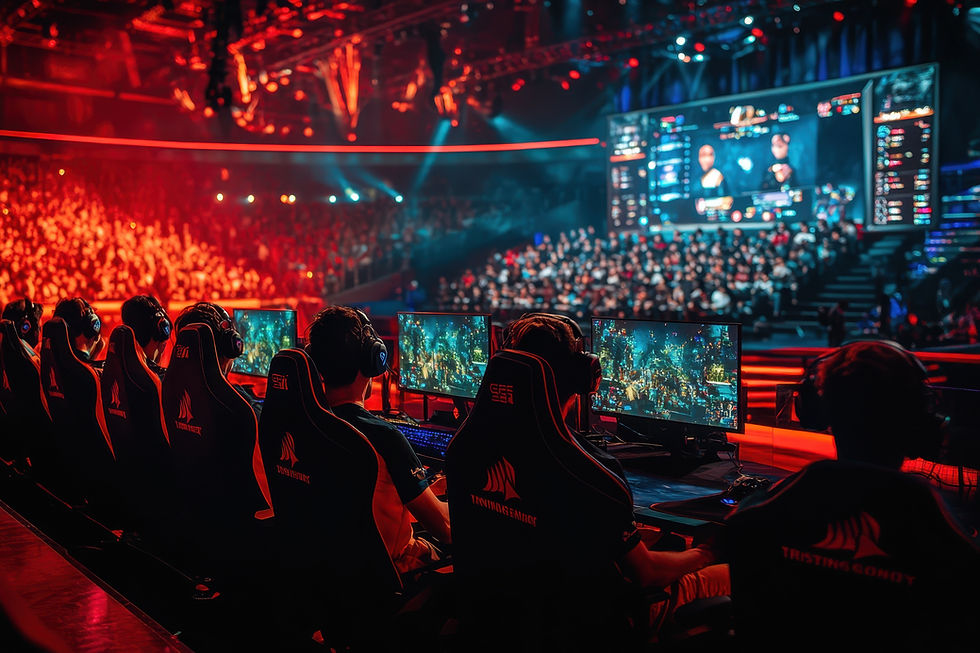
Physical environments must balance the distinct needs of active players, media production teams, and physical spectators. Professional architectural design ensures sightline clearance for audiences, minimizes ambient operational noise, and integrates flexible spaces that quickly adapt to accommodate changing live events, multi-tier training academies, or general public monetization models.

Essential Features of Modern Esports Arena Design
Constructing a functional arena requires moving beyond generic architectural concepts. Designers must systematically integrate specialized spatial, physical, and technological networks into a unified, high-performance footprint.
Dynamic Structural Floorplans
A successful commercial installation requires intelligent division of public and private operational areas. Spaces must be organized into clear, high-performance sections including main battle stages, private team training rooms, public areas, technical broadcast hubs, and administrative centers. Floorplans must ensure secure player pathways from warm-up rooms to the primary competition stage while optimizing general public movement to maximize spending at food, beverage, and retail points.
Ergonomic High-Performance Battle Stations
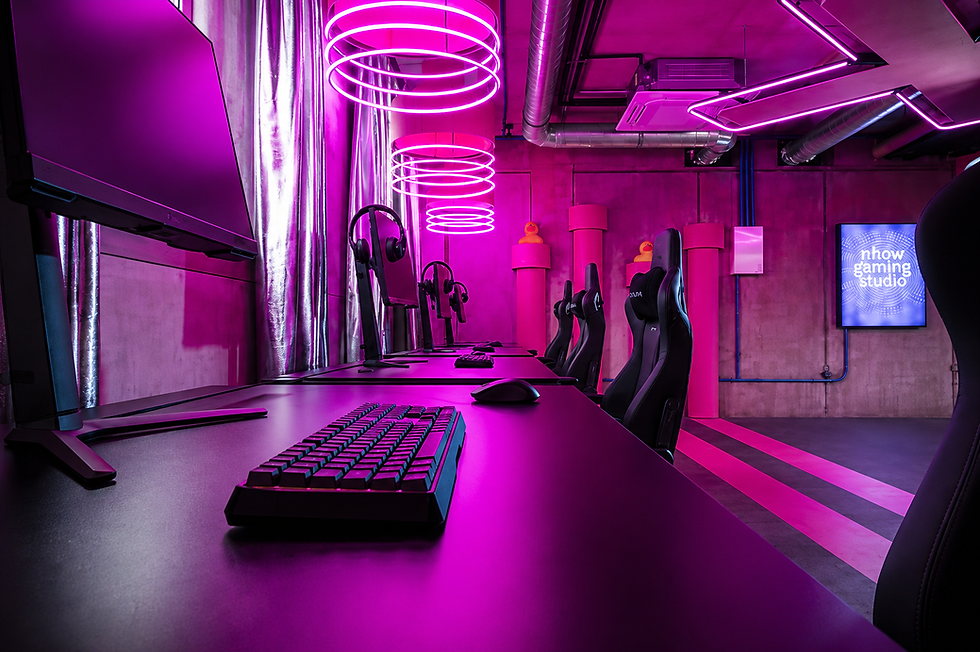
The individual player station is the foundational unit of any arena. Each station requires specialized desking systems with robust integrated cable routing, vibration isolation, and height-adjustable frames. Seating must feature specialized commercial ergonomic chairs that provide multi-axis physical adjustments to prevent repetitive strain injuries during extended training sessions or long tournament brackets.
Integrated Ambient and RGB Spatial Lighting
Lighting architectures require highly specialized planning. Traditional commercial overhead lighting causes severe screen glare and increases eye strain. Advanced layouts utilize indirect, diffused LED architectural illumination combined with programmable digital RGB systems. These networks are fully integrated into live event production software, flashing and shifting colors in real-time response to in-game actions, match events, and team colors to deliver a deeply immersive environment.
Broadcast-Grade Streaming and Production Zones
Modern venues operate simultaneously as live event spaces and digital broadcast studios. Production zones require dedicated, isolated engineering spaces with clean acoustic barriers, independent power loops, and direct structural line-of-sight to the main competition stages. These spaces must be pre-wired to support multi-angle PTZ cameras, professional audio production gear, and real-time digital editing hardware.

Technology & Infrastructure Requirements
The visible aesthetic of an elite arena is only as reliable as the hidden digital network infrastructure supporting it. Enterprise execution requires high-capacity technical engineering designed for continuous, uninterrupted operation.
High-Speed, Low-Latency Networking: Venues require dedicated fiber connections, isolated local networks, and enterprise routing hardware configured with automated secondary failovers to guarantee zero-latency performance.
Dedicated Power Distribution: Commercial facilities must isolate high-draw computing networks from standard building utilities, using true online double-conversion UPS backups to completely eliminate electrical noise and voltage drops.
Advanced HVAC Climate Regulation: High-density deployments of multi-GPU computer networks generate substantial heat loads. Venues require specialized zone-controlled HVAC systems that consistently maintain optimal operating temperatures without creating disruptive acoustic noise.
Professional Acoustic Isolation: Comprehensive architectural planning incorporates specialized acoustic paneling, sound dampening clouds, and double-walled structural separations to ensure loud crowd reactions never compromise internal broadcast streams or team communications.
Benefits of Turnkey Esports Facility Construction
Managing a commercial development by coordinating separate general contractors, technology vendors, and interior designers often leads to fragmented execution, missed deadlines, and severe cost overruns. Utilizing a unified turnkey design and construction model provides substantial operational advantages.
When launching an enterprise project, utilizing a single specialized partner ensures that your technical infrastructure, aesthetic design, and building systems are engineered in perfect harmony. A unified turnkey process delivers major strategic benefits:
Accelerated Speed-to-Market
Streamlining architectural planning, material procurement, and technical technology integration under a single master organization eliminates handoff delays, shortens overall construction timelines, and allows your venue to begin generating active operational revenue months ahead of fractured development approaches.
Guaranteed System Compatibility
Turnkey execution ensures that advanced interior finishes, specialized furniture systems, customized power distribution networks, and digital RGB lighting frameworks are engineered to work together flawlessly, eliminating expensive on-site structural modifications or component conflicts.
Optimized Capital Efficiency
Working with a single specialized partner provides transparent project costs, bulk procurement advantages, and precise allocations of capital. This approach eliminates the costly unexpected change orders that typically disrupt standard multi-vendor commercial real estate developments.
Esports Classroom Design for Schools & Colleges
Educational institutions across the United States are rapidly launching varsity programs to boost student enrollment, engage diverse campus communities, and prepare students for high-demand careers in technology and digital media. However, an academic installation requires a fundamentally different structural approach than a commercial public arena.
A professional academic environment must seamlessly serve two distinct functions: an elite athletic training facility for varsity teams, and a high-performance STEM laboratory during standard instructional hours. The physical room layout must feature adaptable furniture systems that quickly reconfigure from a focused tournament alignment into collaborative team groupings or traditional lecture settings. Power and data networks must be built with flexible capacity to scale effortlessly alongside changing class sizes and program needs.
Furthermore, school administrators must prioritize comprehensive accessibility and digital security. Workstations must feature flexible, height-adjustable mechanisms that fully comply with ADA accessibility standards, ensuring inclusive access for all students. At the network level, the infrastructure must integrate seamlessly with existing campus IT systems, employing enterprise firewalls and advanced security protocols to protect institutional data while maintaining the unrestricted, low-latency connections required for competitive play.
Branding & Immersive Gaming Experiences
To stand out in a highly competitive market, developers must create spaces that offer experiences far superior to standard home gaming setups. Achieving this degree of immersion requires a thoughtful blend of custom interior design, tactile materials, and integrated technology.
Modern workspace design has evolved far beyond traditional corporate layouts. Forward-thinking companies are increasingly deploying an optimized esports office design and RGB workspace in USA corporate footprint to attract and retain elite creative and technical talent. These cutting-edge corporate environments combine top-tier ergonomic workstations with interactive, programmable lighting systems, creating vibrant, high-energy spaces that stimulate collaborative innovation, reduce cognitive fatigue, and project a distinct, future-focused corporate culture.
This experiential design approach is equally vital for commercial hospitality and entertainment venues. Entertainment entrepreneurs can capture high-margin corporate events, weekend crowds, and social groups by introducing a specialized esports atmosphere for bars and restaurants USA venue framework. By replacing generic sports monitors with interactive gaming lounges, high-impact broadcast screens, and integrated team booths, hospitality businesses transform traditional dining spaces into energetic, multi-sensory entertainment hubs that drive significantly higher dwell times and customer spend.
Future Trends in Esports Facility Development
As technology continues its rapid evolution, the physical architecture supporting competitive gaming must be engineered to adapt. Forward-looking developers are actively designing spaces around several major emerging trends:
Simulated Racing and Mixed-Reality Integration
The demand for high-fidelity physical simulation spaces—such as professional-grade motion racing rigs and dedicated virtual reality flight arenas—is expanding rapidly. Venues must integrate structural sub-flooring, isolated high-draw power drops, and open spatial zones capable of hosting heavy mechanical simulators and multi-axis kinetic tracking hardware.
Cloud Gaming and Dynamic Resource Scaling
As cloud-based processing and decentralized computing become industry standards, local physical hardware needs will evolve. Future-ready facilities install high-capacity, accessible cable pathways and modular server layouts. This allows on-site computing power to be scaled up or reallocated instantly based on incoming digital workloads or event needs.
Comprehensive Wellness and Holistic Training Hubs
The modern approach to competitive gaming places a strong emphasis on comprehensive player health and wellness. Elite new facilities regularly integrate dedicated physical recovery spaces, ergonomic assessment rooms, and professional health coaching stations directly into the main training environment to optimize long-term player career sustainability and peak cognitive performance.
Why Choose eBlueGaming
Building a world-class competitive gaming venue requires navigating a complex matrix of commercial construction, advanced network engineering, and specialized gaming design. eBlueGaming is the industry's premier partner for professional infrastructure, delivering end-to-end design, manufacturing, and turnkey development solutions across the United States.
We eliminate the complexity of development by managing every phase of your project. From early spatial planning and custom furniture fabrication to network engineering and final on-site installation, eBlueGaming ensures your project is delivered on time, on budget, and engineered to elite professional standards. Our specialized commercial components, proprietary lighting integration platforms, and decades of technical experience empower businesses and academic institutions to deploy future-ready venues that attract talent, engage audiences, and drive long-term profitability.
Conclusion
Modern esports infrastructure represents a sophisticated convergence of commercial real estate development, high-performance tech integration, and experiential brand design. Whether you are an entertainment entrepreneur launching a brand-new LAN venue, a corporate developer modernizing a metropolitan workspace, or a school administrator building an elite varsity gaming classroom, the foundational quality of your physical infrastructure determines your long-term operational success. As consumer and player expectations continue to rise across the United States, building with generic, off-the-shelf solutions is no longer a viable strategy for growth.
Succeeding in this dynamic, fast-growing market requires deep technical expertise, specialized manufacturing, and a proven track record of successful project execution. By selecting an experienced turnkey partner, you streamline the complex construction process, optimize your capital investment, and ensure your facility is engineered to adapt to future industry trends. The time to stake your claim in the competitive gaming market is now, using spaces designed to inspire, perform, and deliver consistent returns.
Ready to build a next-generation esports arena or gaming classroom? Contact eBlueGaming today for custom esports facility design and turnkey esports construction solutions across the USA.
Frequently Asked Questions (FAQs)
Q1: What are the primary structural and technical phases when learning how to set up an esports facility in USA commercial zones?
A1: Setting up an institutional facility requires a structured approach: securing a commercial location with correct zoning, auditing power and cooling capacities, engineering low-latency fiber network routes, installing specialized acoustic controls, and integrating commercial-grade gaming infrastructure. Partnering with a turnkey specialist like eBlueGaming ensures all technical, aesthetic, and structural systems are executed in perfect alignment.
Q2: How does integrating an elite esports office USA layout improve corporate recruitment and team performance for competitive businesses?
A2: A dedicated corporate gaming office provides a world-class environment tailored for technical precision and mental focus. By deploying professional-grade ergonomic stations, isolated low-latency networks, and optimized lighting, organizations eliminate technical performance drops, minimize physical fatigue, and establish a highly attractive workspace that appeals directly to top-tier technical and creative professionals.
Q3: What design elements are required to create a profitable esports atmosphere for bars and restaurants USA hospitality venues?
A3: Transforming a standard hospitality venue requires shifting focus from passive viewing to active engagement. Key elements include installing modular gaming stations, integrating high-impact digital viewing screens with advanced audio zone controls, and deploying programmable RGB systems. This active entertainment environment drives longer guest stay times, increases group bookings, and unlocks consistent new revenue streams during mid-week tournament schedules.
Q4: What are the primary technical advantages of deploying a unified esports office design and RGB workspace in USA corporate environments?
A4: A professionally engineered workspace combines high-performance workstations with smart, programmable RGB ambient systems. This design approach significantly reduces eye strain compared to harsh commercial lighting, enhances focus through customized color spectrums, and creates a highly dynamic workspace. This unique environment serves as a powerful symbol of your organization's commitment to modern technology and innovation.
Q5: What premium amenities separate a high-end computer gaming hotel near USA destination from standard hospitality lodging?
A5: Premium gaming hospitality locations differentiate themselves by providing high-performance technical amenities directly inside guest suites and communal lounges. These venues feature pro-grade PCs, ultra-high-refresh-rate monitors, elite ergonomic chairs, and dedicated high-speed fiber lines. This comprehensive technology integration transforms traditional lodging into an immersive, destination-style experience for leisure travelers and corporate event groups alike.

Comments